Services

Services

Services

Services

Detect Cancer Cells from a Single Tube of Blood — Even Before Stage 0

Detect Cancer Cells from a Single Tube of Blood — Even Before Stage 0

Detect Cancer Cells from a Single Tube of Blood — Even Before Stage 0

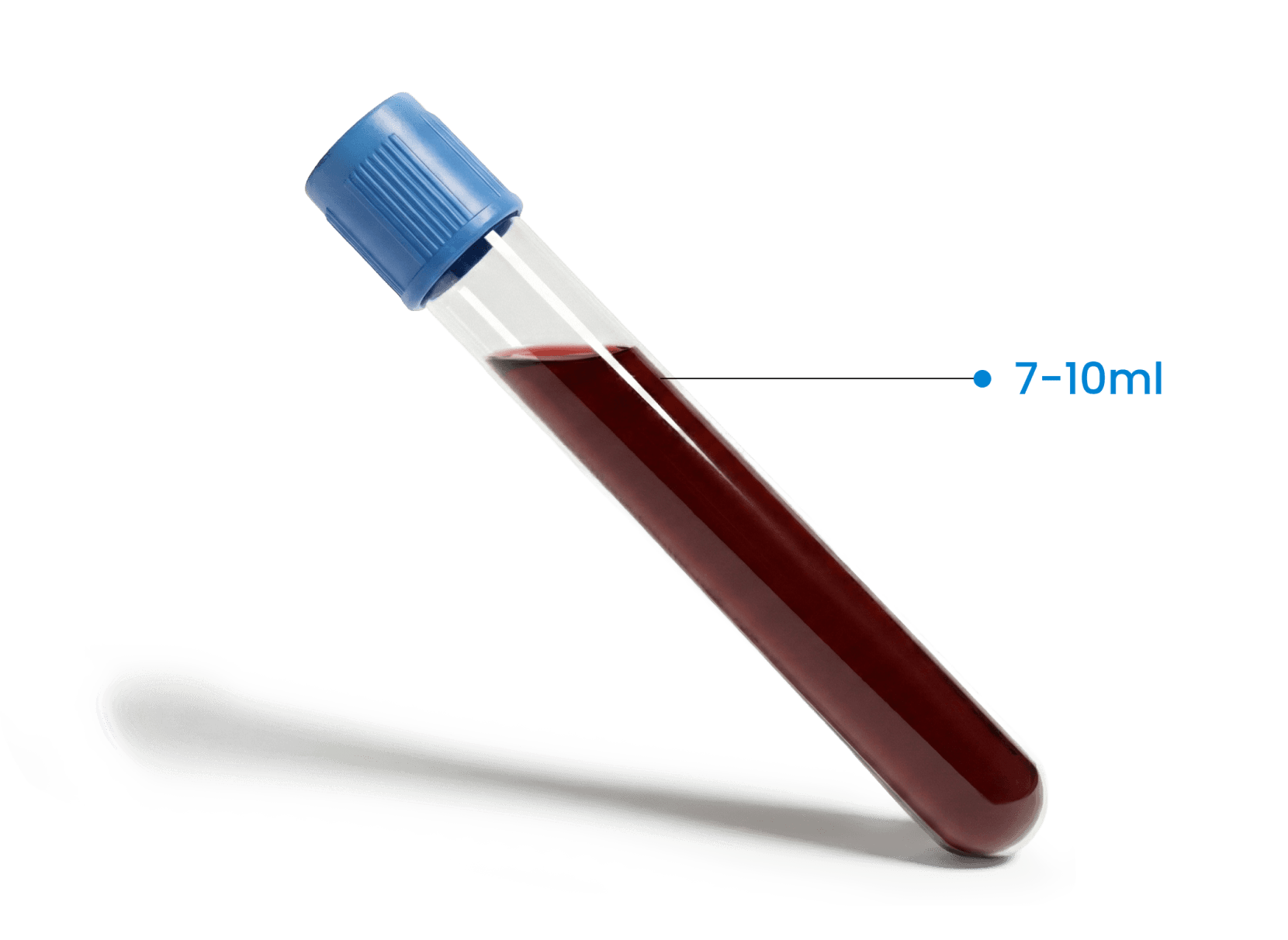
Circulating Tumor Cell (CTC) analysis from BloodScan enables ultra-early cancer insight from just a single blood tube — detecting tumor-derived cells even before Stage 0. Our platform provides actionable information across the entire clinical journey, from early screening and therapy selection to treatment-response evaluation and long-term recurrence monitoring. By revealing biological signals that traditional clinical tools may miss, BloodScan helps patients and clinicians make more confident, timely decisions.

Circulating Tumor Cell (CTC) analysis from BloodScan enables ultra-early cancer insight from just a single blood tube — detecting tumor-derived cells even before Stage 0. Our platform provides actionable information across the entire clinical journey, from early screening and therapy selection to treatment-response evaluation and long-term recurrence monitoring. By revealing biological signals that traditional clinical tools may miss, BloodScan helps patients and clinicians make more confident, timely decisions.

What Are CTCs and Why Test?

What Are CTCs and Why Test?

Circulating Tumor Cells are cancer cells that break away from tumors and enter the bloodstream — sometimes even before cancer can be detected on imaging.

Circulating Tumor Cells are cancer cells that break away from tumors and enter the bloodstream — sometimes even before cancer can be detected on imaging.

Early Insight
Early Insight
Early Insight
Early Insight

Reveal meaningful cancer-related signals at the earliest detectable stages — even before conventional tools can identify abnormalities.

Non-Invasive and Effortless

A simple, routine blood draw with no discomfort, preparation, or recovery time.

Enhances Existing Clinical Tools

Provides cellular-level information that fills the gaps left by imaging, markers, or routine checkups.

Adults over 40 or with elevated risk

Consider testing if you are:

Consider testing if you are:

Adults over 40 or with elevated risk

Cancer risk increases significantly after age 40 — especially for individuals with family history, high stress, or demanding lifestyles. Adding a CTC test to your annual checkup provides an extra layer of early insight.

Cancer risk increases significantly after age 40 — especially for individuals with family history, high stress, or demanding lifestyles. Adding a CTC test to your annual checkup provides an extra layer of early insight.

Showing unclear abnormalities on routine tests

If scans or blood tests reveal findings your doctor cannot fully explain — such as lung nodules or elevated liver markers — CTC testing can offer additional clarity.

If scans or blood tests reveal findings your doctor cannot fully explain — such as lung nodules or elevated liver markers — CTC testing can offer additional clarity.

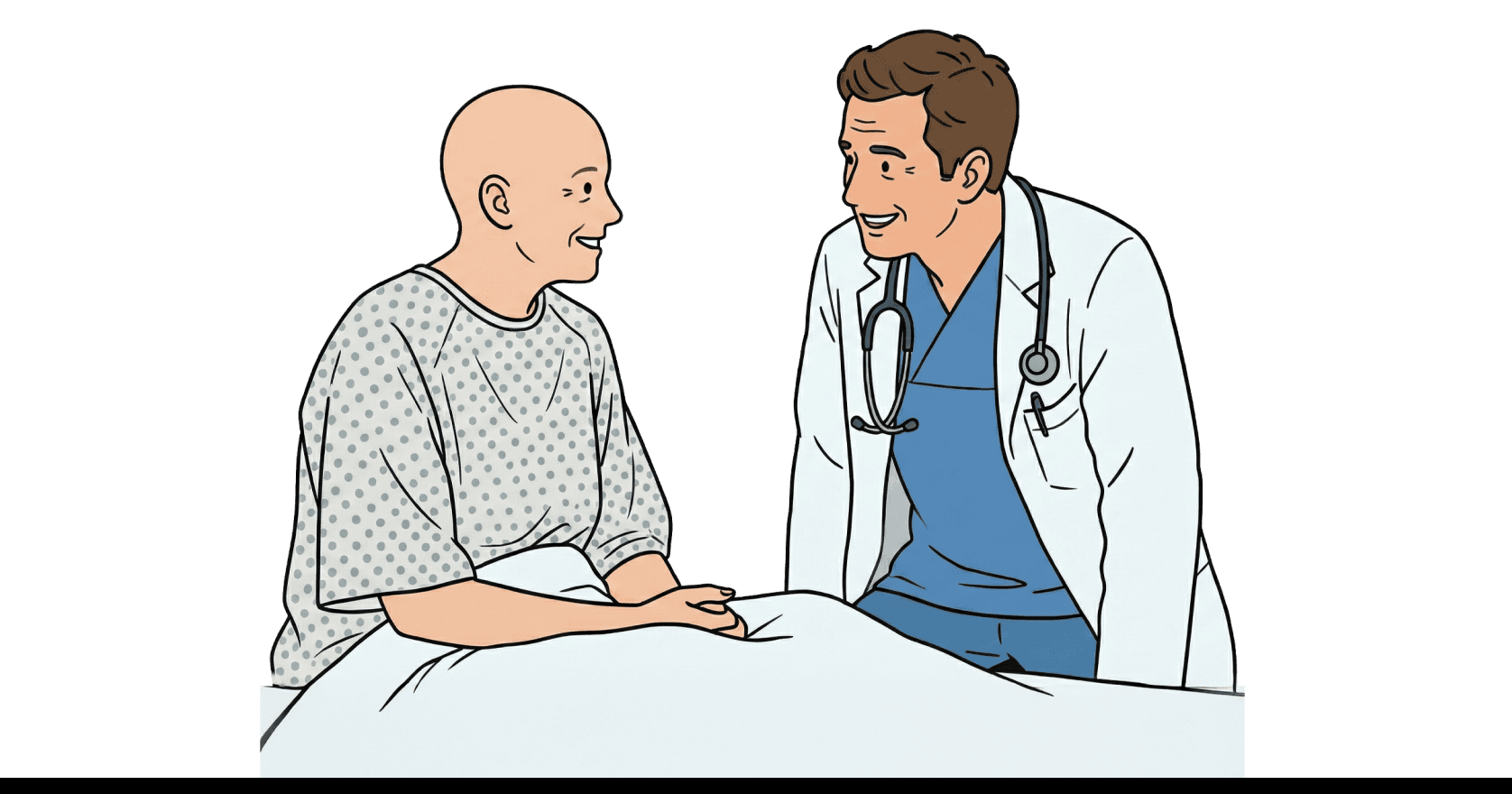
Currently undergoing cancer treatment or receiving post-treatment follow-up

CTCs help evaluate treatment response earlier than traditional tools and support long-term monitoring for potential recurrence.

CTCs help evaluate treatment response earlier than traditional tools and support long-term monitoring for potential recurrence.

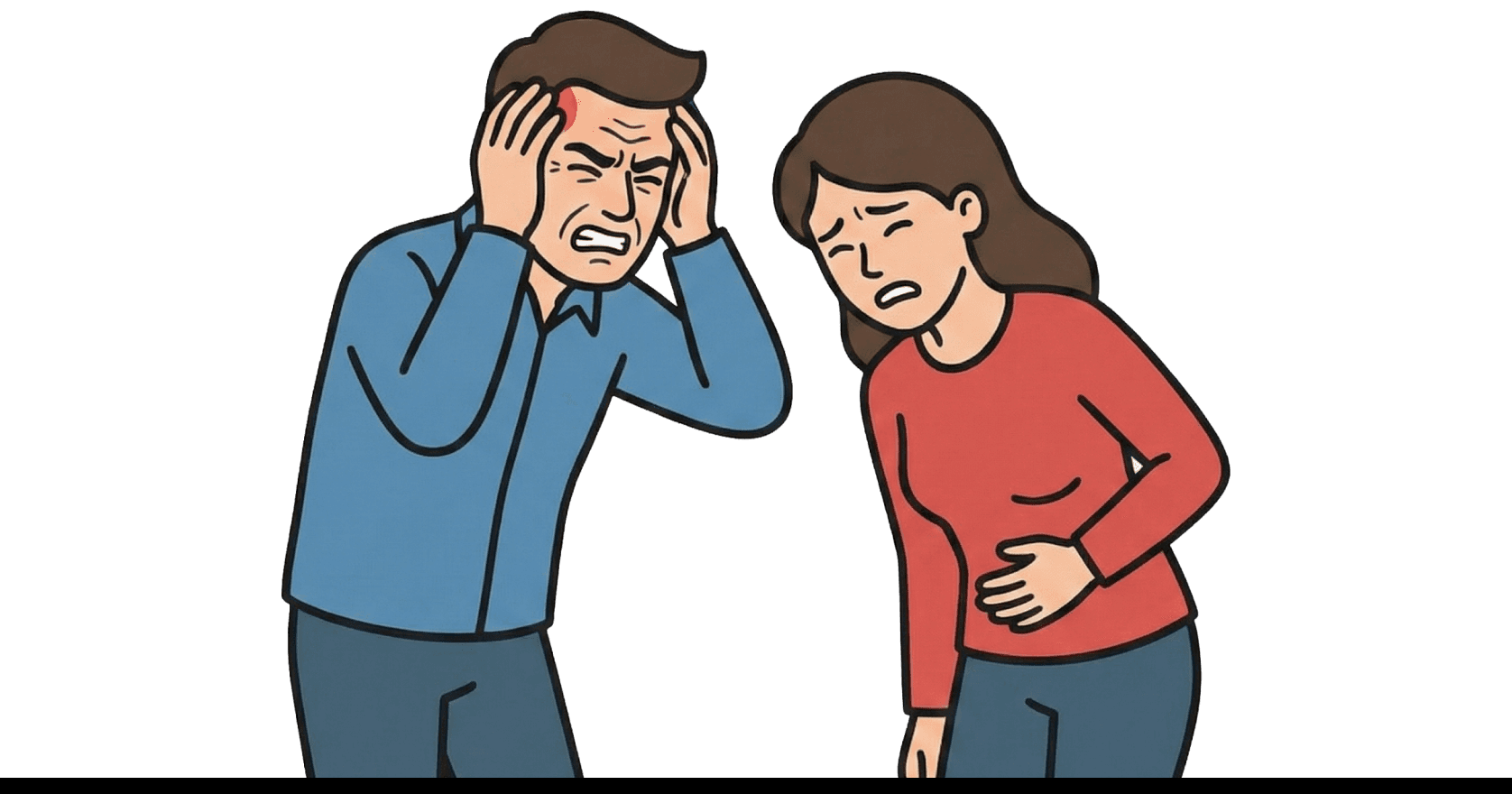
Feeling unwell but standard tests remain inconclusive

If symptoms persist without a clear diagnosis, a CTC test may uncover early disease signals that conventional exams cannot detect.

If symptoms persist without a clear diagnosis, a CTC test may uncover early disease signals that conventional exams cannot detect.

How It Works

How It Works

1. Schedule Your Test

Book online today. Once submitted, our team will contact you to confirm the blood draw location and time.

Book online today. Once submitted, our team will contact you to confirm the blood draw location and time.

Where to Access Testing?

Our diagnostic service is currently available across Taiwan, with international locations coming soon.

You can view the list of partner labs before booking. Once your appointment is confirmed, you’ll be able to schedule your blood draw at the lab that’s most convenient for you.

2. Blood Collection
2. Blood Collection

A simple blood draw at one of our certified partner labs — just like a routine checkup.

A simple blood draw at one of our certified partner labs — just like a routine checkup.

3. Analysis
3. Analysis

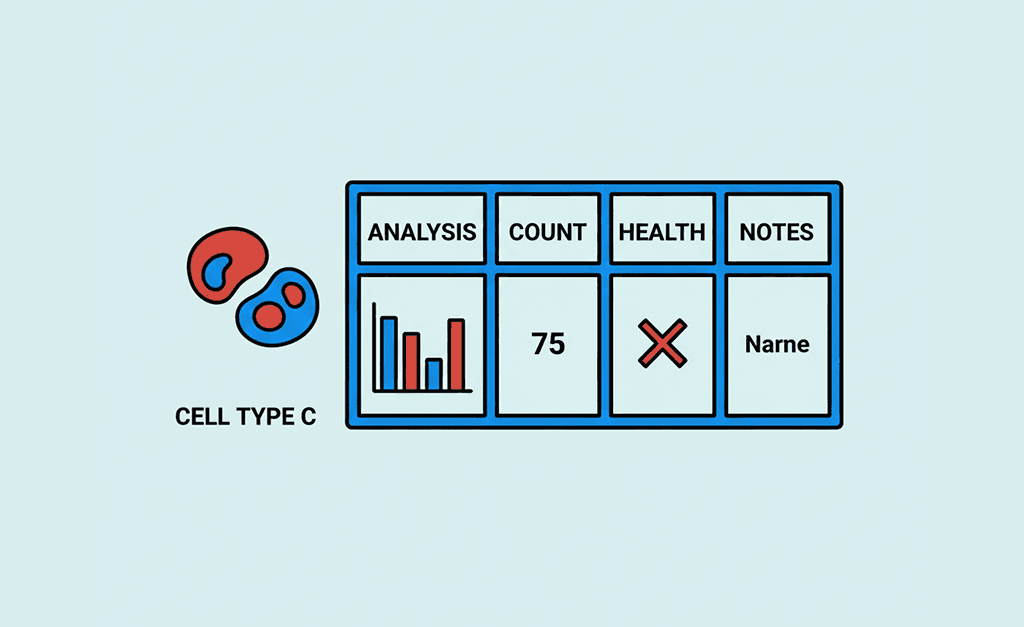
Your sample is processed using BloodScan’s Labyrinth One system, which isolates and examines circulating tumor cells (CTCs) with precision.

Your sample is processed using BloodScan’s Labyrinth One system, which isolates and examines circulating tumor cells (CTCs) with precision.

4. Report Delivered
4. Report Delivered

Your personalized report is available within 5–7 working days, with guidance on what the findings mean for your health.

Your personalized report is available within 5–7 working days, with guidance on what the findings mean for your health.

Your Report Includes:

- Whether CTCs were detected in your blood.

- The number and type of CTCs (single cells, clusters).

- What these results may mean for your risk assessment.

- Recommendations for follow-up with your physician.

Important: CTC testing is not a replacement for imaging or medical checkups. Results should always be interpreted by a qualified healthcare professional.

5. What Happens Next

a. No CTCs detected – Continue your regular health checkups and consider repeat testing annually.

a. No CTCs detected – Continue your regular health checkups and consider repeat testing annually.

b. CTCs detected – Your report may recommend follow-up with your doctor, further imaging, or additional lab tests. We connect you with medical professionals who can explain your results and guide next steps.

b. CTCs detected – Your report may recommend follow-up with your doctor, further imaging, or additional lab tests. We connect you with medical professionals who can explain your results and guide next steps.

profile-photo-case-1

CASE 1

Hidden Disease Revealed by CTCs

Routine checkups showed no signs of cancer, though imaging suggested a small liver shadow and blood marker AFP was only slightly elevated. CTC testing flagged high risk with CTC clusters and revealed PD-L1 expression, leading to immunotherapy treatment. Follow-up CTC tests showed clusters shrinking and nearly disappearing — a response invisible to scans but clear through CTCs.

profile-photo-case-2

CASE 2

Peace of Mind with No CTCs Detected

A 21 mm lung nodule was found on low-dose CT, but CTC testing showed no circulating tumor cells. With no signs of active disease, the patient avoided unnecessary procedures and will return for follow-up in one year to monitor the nodule.

profile-photo-case-3

CASE 3

Tracking Treatment Response in Pancreatic Cancer

A patient newly diagnosed with pancreatic cancer started chemotherapy. While scans showed the tumor shrinking, CTC testing confirmed a dramatic drop in circulating tumor cells — providing real-time evidence that treatment was working and offering a way to monitor recurrence risk before and after surgery.

FAQ

FAQ

Q1. If CTCs are detected, does that mean I definitely have cancer?

Not always. Finding CTCs means there could be cancer activity, but only a doctor can make a diagnosis. Follow-up tests like imaging are usually recommended to confirm what’s going on.

Not always. Finding CTCs means there could be cancer activity, but only a doctor can make a diagnosis. Follow-up tests like imaging are usually recommended to confirm what’s going on.

Q2. What will my report show?

Your report will be ready in about 5–7 business days. It tells you if CTCs were found, how many, and what type. A healthcare professional will review the results with you and explain what they mean.

Your report will be ready in about 5–7 business days. It tells you if CTCs were found, how many, and what type. A healthcare professional will review the results with you and explain what they mean.

Q3. What kinds of cancer can this test find?

CTC testing can pick up more than 200 types of solid tumors, including lung, breast, liver, gastrointestinal, and prostate cancers. It isn’t used for blood cancers like leukemia.

CTC testing can pick up more than 200 types of solid tumors, including lung, breast, liver, gastrointestinal, and prostate cancers. It isn’t used for blood cancers like leukemia.

Q4. Can CTCs show up before a scan finds a tumor?

Yes. Imaging like CT or MRI often can’t see very small tumors. CTCs can sometimes be found in the blood earlier, giving doctors a clue before a mass is visible.

Yes. Imaging like CT or MRI often can’t see very small tumors. CTCs can sometimes be found in the blood earlier, giving doctors a clue before a mass is visible.

Q5. How often should I get tested?

Most people do the test once a year, as part of their annual health check. If you’re at higher risk or have a history of cancer, your doctor may suggest testing more often — every 3–6 months.

Most people do the test once a year, as part of their annual health check. If you’re at higher risk or have a history of cancer, your doctor may suggest testing more often — every 3–6 months.