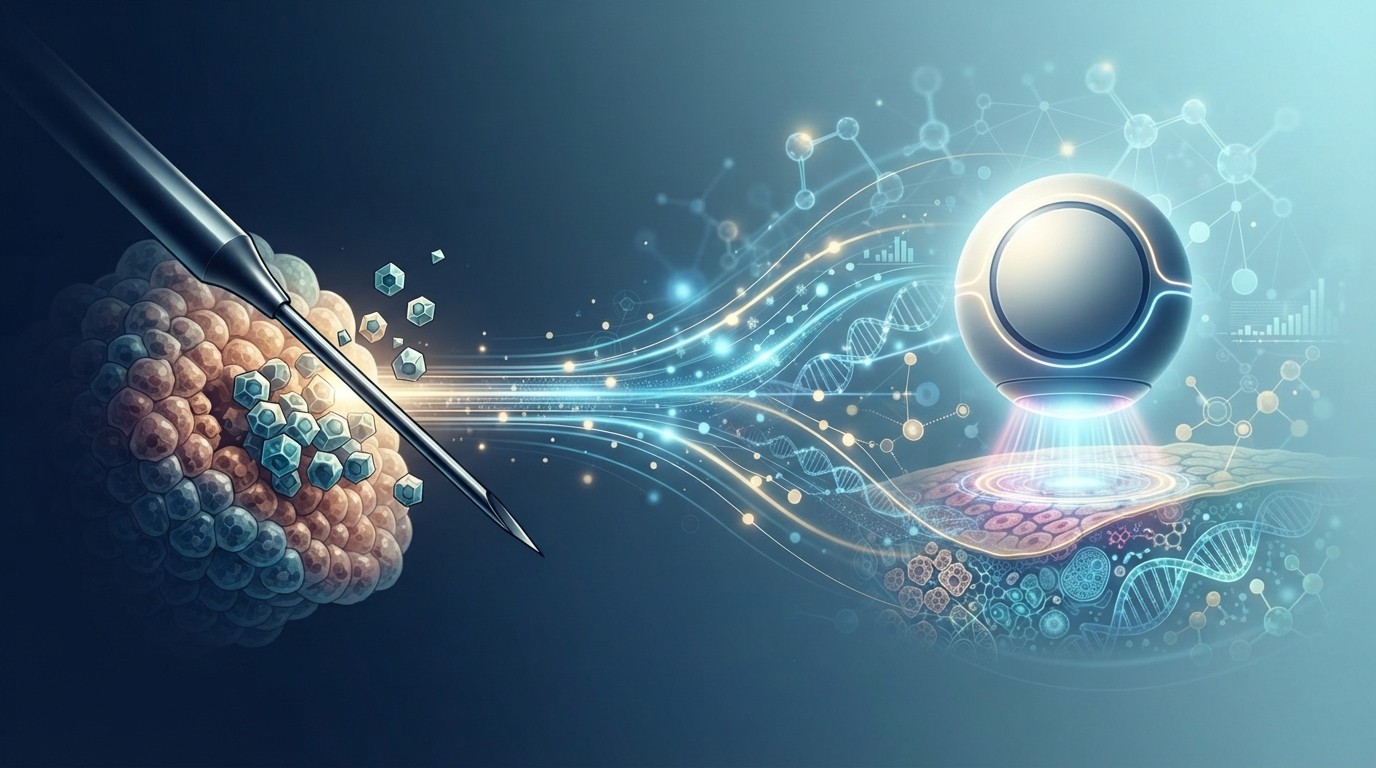
For decades, the standard for diagnosing complex conditions—particularly cancer—has been the tissue biopsy. While effective, the process is often invasive, uncomfortable, and carries inherent risks such as infection or sampling errors. As medical technology advances, we are witnessing a paradigm shift toward biopsy-equivalent diagnostic solutions that promise to change the patient experience forever.
What Are Biopsy-Equivalent Solutions?
Biopsy-equivalent solutions are advanced diagnostic tools and techniques that provide the same, if not greater, clinical confidence as a traditional physical biopsy without the need for invasive surgical procedures. These methods primarily leverage non-invasive or minimally invasive technologies to capture the "molecular fingerprint" of a disease.
Key Technologies Driving Change
Liquid Biopsies: By analyzing circulating tumor DNA (ctDNA) or circulating tumor cells (CTCs) in a patient's blood, clinicians can identify genetic mutations and track disease progression in real-time.
Advanced Molecular Imaging: Next-generation PET/MRI scans combined with AI-driven image analysis can identify lesion characteristics that were previously only visible under a microscope.
Biosensors and Digital Biomarkers: Wearable and implantable sensors are beginning to provide continuous data streams that can identify early warning signs of physiological shifts, acting as a precursor to formal diagnosis.
The Benefits: Why Shift Away from Traditional Biopsies?
Minimized Patient Risk: Eliminating the need for tissue extraction significantly reduces the risk of complications, recovery time, and psychological stress for the patient.
Real-Time Monitoring: Unlike a physical biopsy, which captures a "snapshot" in time, liquid biopsies allow for serial testing, helping doctors see how a treatment is working as it happens.
Overcoming Heterogeneity: Tumors can vary in composition across different sites. A single physical biopsy may miss a critical mutation, whereas blood-based testing captures a more holistic view of the disease’s evolution.
Enhanced Early Detection: These technologies are often more sensitive, allowing for the detection of disease at earlier, more treatable stages when a physical biopsy might not yet be viable.
The Road Ahead
While we are not yet at the point where we can completely replace every physical biopsy, the trajectory is clear. As diagnostic precision improves and clinical validation studies grow, these non-invasive alternatives are becoming the preferred choice for both clinicians and patients. The future of healthcare is moving toward a model that is proactive, personalized, and patient-centered.
Are you ready to embrace the next generation of medical diagnostics? Staying informed is the first step toward better health outcomes.
Frequently Asked Questions
What is a biopsy-equivalent diagnostic?
It is a medical test that provides diagnostic information comparable to a physical tissue biopsy but uses non-invasive or minimally invasive methods, such as blood draws or advanced imaging.
Are liquid biopsies as accurate as surgical biopsies?
While surgical biopsies remain the 'gold standard' for certain tissue types, liquid biopsies are becoming highly accurate in identifying genetic markers and tracking disease evolution, often complementing traditional methods.
Does insurance cover these new diagnostic tests?
Coverage varies by region and provider. Many advanced diagnostic tests are increasingly covered, especially for cancer monitoring, but it is best to check with your specific healthcare provider.
Will traditional biopsies ever be completely replaced?
While many procedures will likely transition to non-invasive alternatives, physical biopsies will still be required in specific cases where tissue architecture analysis is essential for diagnosis.