Revolutionizing Oncology: The Future of Circulating Tumor Cells (CTC) Isolation Technology
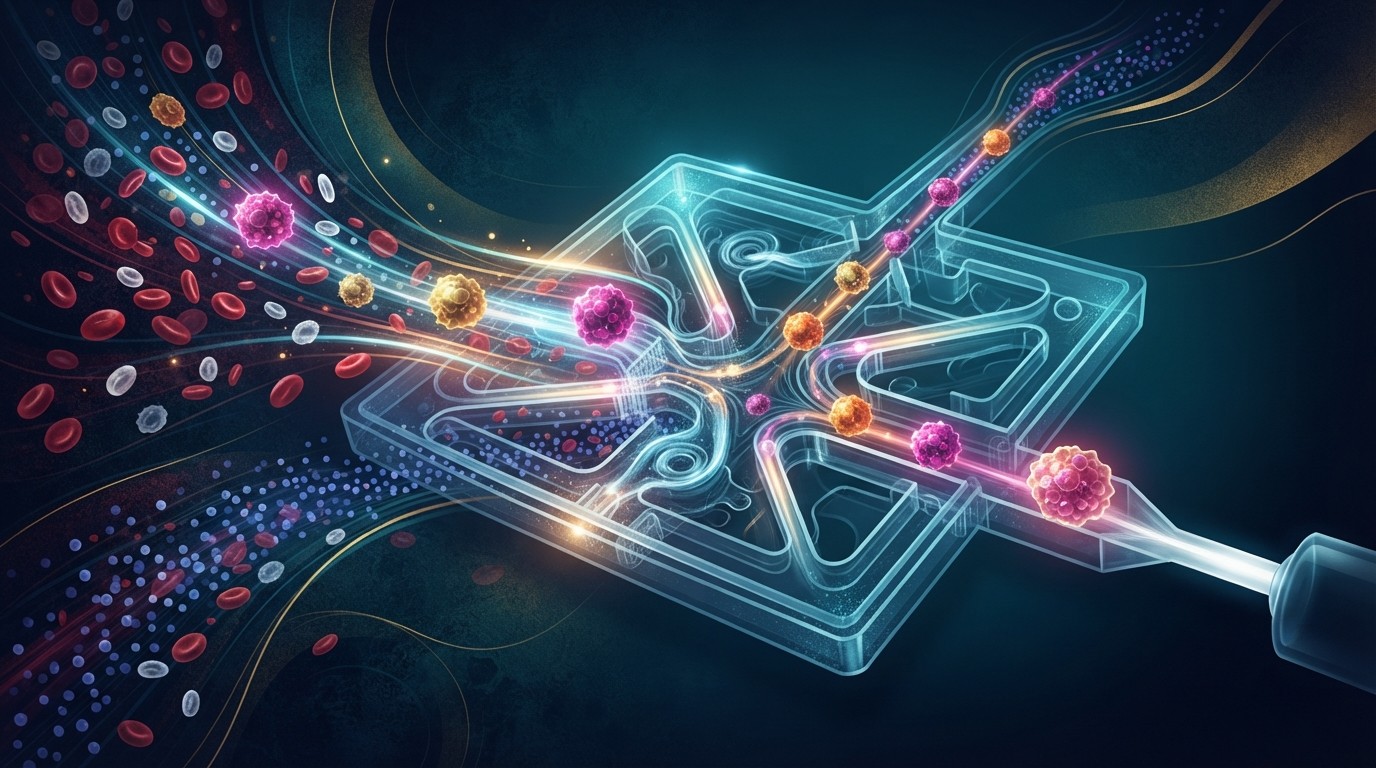
In the ongoing battle against cancer, the ability to detect and analyze tumors early is paramount. Among the most promising frontiers in precision medicine is the study of Circulating Tumor Cells (CTCs). These rare cells, which shed from primary tumors into the bloodstream, provide a "liquid biopsy" that offers a real-time window into tumor progression and treatment response.
Understanding Circulating Tumor Cells
CTCs are incredibly rare—often as few as one cell per billion healthy blood cells. Because of this, isolation technology must be exceptionally sensitive and specific. Historically, isolating these cells was like searching for a needle in a haystack. Today, advanced microfluidic, immunomagnetic, and physical property-based platforms have turned this challenge into a reliable diagnostic tool.
Key Isolation Technologies
1. Immunomagnetic Enrichment
This standard approach utilizes magnetic beads coated with antibodies (like anti-EpCAM) to capture cells expressing specific markers. While highly established, it can sometimes miss cells that have undergone Epithelial-Mesenchymal Transition (EMT).
2. Microfluidics and Lab-on-a-Chip
Microfluidic devices manipulate tiny fluid volumes to separate cells based on size, deformability, or electrical properties. These platforms are increasingly popular due to their high purity and the gentle handling of fragile cells.
3. Size-Based Filtration
Because tumor cells are generally larger than normal blood cells, membrane-based filtration systems can effectively trap CTCs. This label-free approach is cost-effective and avoids the biases associated with antibody-dependent capture.
The Clinical Impact
The ability to isolate and analyze CTCs allows clinicians to:
Monitor Therapy Effectiveness: Adjust treatments in real-time based on CTC counts.
Detect Recurrence: Identify disease progression before it becomes visible on conventional imaging.
Characterize Metastatic Potential: Study the genetic mutations of CTCs to select targeted therapies.
The Future Outlook
As CTC isolation technology advances, we move closer to a future where cancer management is as simple as a routine blood test. Combining these isolation techniques with single-cell RNA sequencing is already unlocking new pathways for personalized medicine.
If you are a researcher or clinician looking to integrate CTC technology into your workflow, now is the time to explore the latest innovations in microfluidic capture and genomic analysis.
Frequently Asked Questions
What is a liquid biopsy?
A liquid biopsy is a non-invasive diagnostic test performed on a blood sample to identify cancer cells or tumor-derived DNA, providing a convenient alternative to traditional tissue biopsies.
Why is it difficult to isolate CTCs?
Isolating CTCs is difficult because they are extremely rare, often present in concentrations as low as one cell among billions of blood cells, requiring high-sensitivity and high-specificity technology.
How do size-based isolation methods work?
Size-based isolation uses micro-filters or microfluidic channels to trap larger tumor cells while allowing smaller red and white blood cells to pass through, based on the physical size difference.